
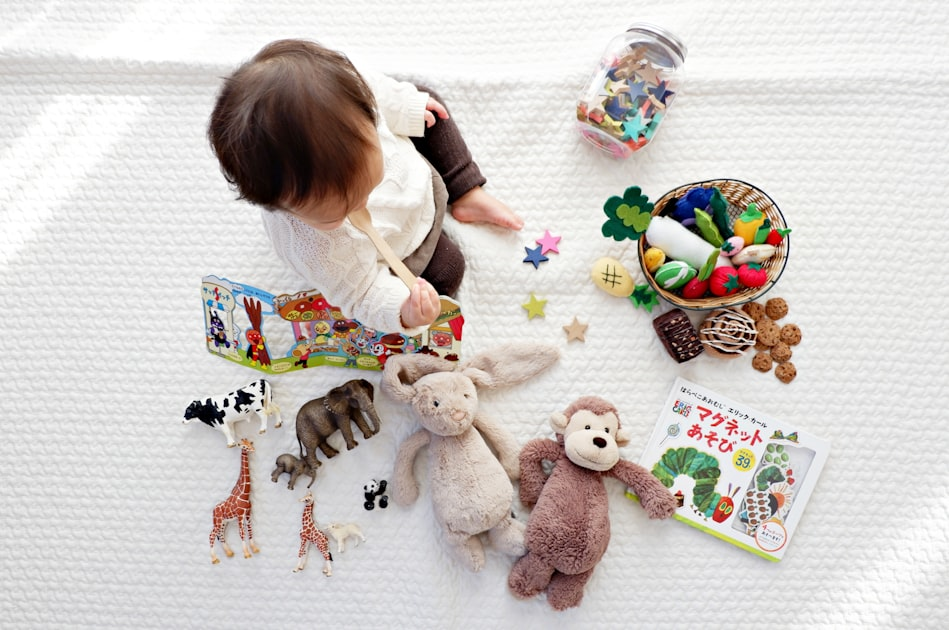

Wildlife animals capture children’s curiosity in a powerful way. From lions and elephants to giraffes and bears, learning about animals found in nature helps kids develop imagination, language skills, and a deeper understanding of the world around them. One of the easiest ways to introduce wildlife learning at home is through realistic animal figures and open-ended play.
This post contains affiliate links. If you purchase through these links, I may earn a commission at no extra cost to you.
‘
Why Wildlife Animals Are Important for Early Learning
Wildlife animals help children:
- Learn animal names and sounds
- Understand different habitats (savanna, jungle, forest, ocean)
- Build vocabulary and storytelling skills
- Practice fine motor skills through hands-on play
Unlike screen-based learning, animal figures encourage active, imaginative play, which supports healthy brain development.
Wildlife Animal Figures for Imaginative Play
Realistic wildlife animal figures allow children to create their own stories and scenes. Kids might set up a jungle safari, a forest habitat, or a wildlife rescue center using animal toys, blocks, and sensory materials like sand or fabric.
Sensory Play Ideas Using Wildlife Animals
Wildlife toys pair beautifully with sensory play. Here are a few simple ideas:
🌿 Habitat Sensory Bins
Create small bins with:
- Sand for desert animals
- Green felt or leaves for jungle animals
- Rocks and sticks for forest animals
Children can explore textures while learning where each animal lives.
🦁 Animal Sorting & Matching
Ask children to:
- Sort animals by size
- Match animals to habitat pictures
- Group animals by type (mammals, birds, reptiles)
This supports early math and classification skills.
Language & Storytelling With Animal Figures
Wildlife animals are excellent tools for:
- Pretend play
- Story creation
- Role-playing conversations
Ask questions like:
- “Where is the lion going today?”
- “What does the elephant need to stay safe?”
- “Which animals live together?”
These prompts build confidence and expressive language.
Montessori-Inspired Wildlife Play
Montessori-style play focuses on:
- Realistic materials
- Open-ended exploration
- Child-led learning
High-quality wildlife animal figures fit perfectly into Montessori shelves, inviting children to explore animals independently and at their own pace.
How to Choose the Best Wildlife Animal Toys
When choosing wildlife animal figures, look for:
- Realistic details and proportions
- Durable, child-safe materials
- Non-toxic finishes
- A variety of animals and habitats
Quality figures last longer and support more meaningful play.
Final Thoughts
Wildlife animals open the door to learning, creativity, and sensory exploration. Whether used for pretend play, early science lessons, or calming sensory activities, animal figures are a timeless addition to any play space.
By encouraging children to explore wildlife through hands-on play, you’re helping them develop curiosity, empathy for nature, and essential early learning skills.